
Argentina's Secret Superfood: My Mother's Chimichurri Recipe
As the defending World Cup champions, Argentina entered the 2026 FIFA World Cup with the eyes of the world watching. While most people associate Argentina with fútbol, steak, Malbec, and the tango, one of the country's most beloved culinary traditions deserves recognition for another reason entirely: it's packed with medicinal herbs.
Growing up in an Argentine household, chimichurri was always on the table.
Chimichurri is a traditional sauce made with parsley and seasonings that we put it on everything- from steaks, chicken and other meats to a bread or french fry dip; personally, I even use it as salad dressing or as a pasta sauce. Every family has their own version and so do the different regions of the country, though if you enjoy heated debates simply share your altered version of the classic ingredients and brace yourself for strong opinions on how to “properly” prepare it. Here’s mine: never ever add oregano or cilantro to your chimi, they don’t belong there! Alas, while most people think of chimichurri as a condiment, I can’t help but see it through the lens of a clinical herbalist—as a remarkably effective herbal preparation disguised as a sauce.
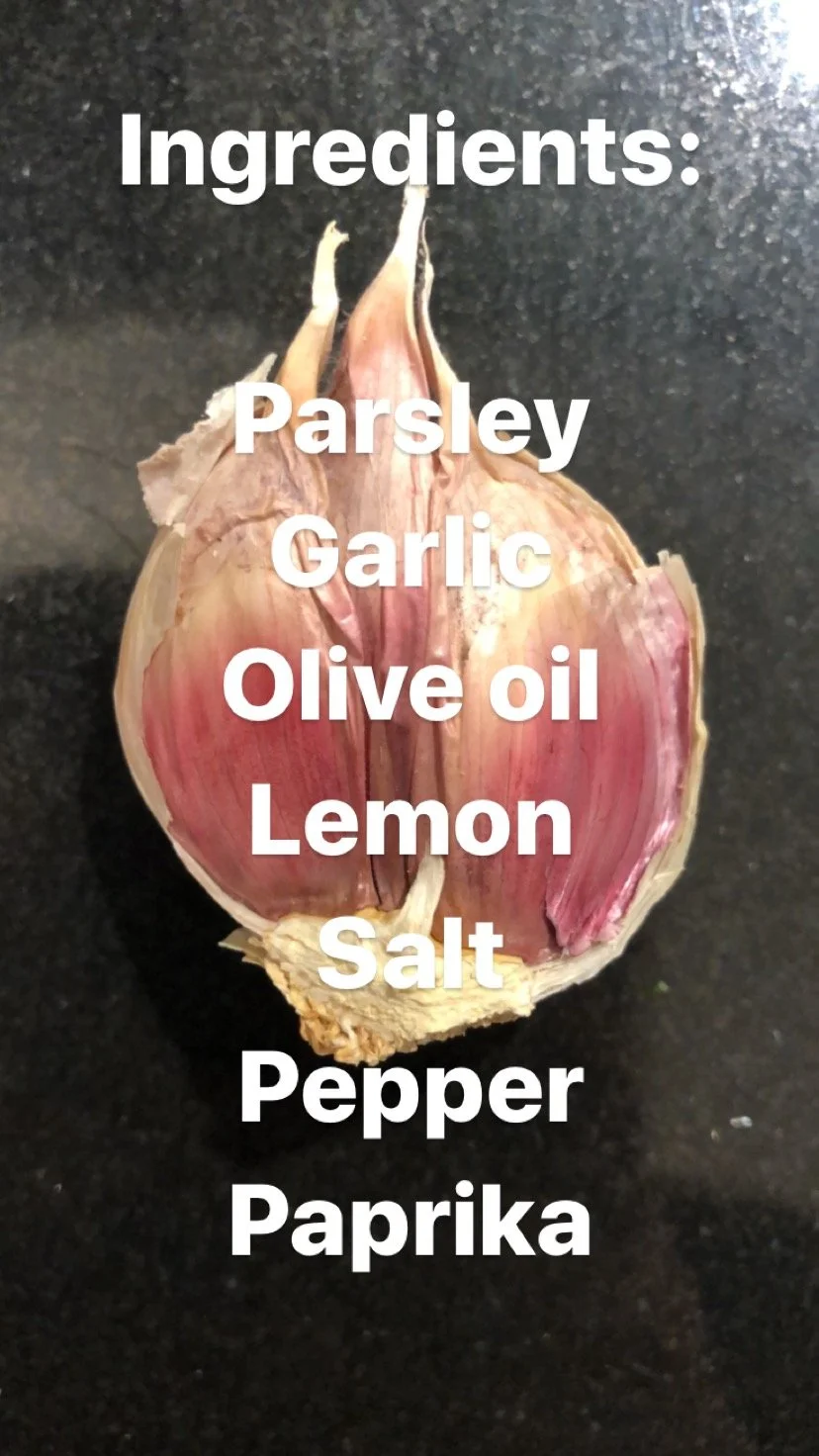
The ingredients are simple: parsley, garlic, olive oil, lemon juice, black pepper, salt and paprika with optional chili flakes. Yet each contributes compounds that have been studied for their effects on digestion, cardiovascular health, circulation, inflammation, and antioxidant protection. Delicious and healthy is always the goal, and chimi makes achieving this easy.
I share with you my mother’s recipe, the one my grandmother shared with her and the one I will pass along too, beginning with sharing it with you.
My Mother's Chimichurri
1-2 bunches fresh parsley, finely chopped, roughly 1 cup
5 cloves garlic, minced
1 teaspoon paprika
1 teaspoon freshly ground black pepper
½ cup extra virgin olive oil
¼ lemon juice
Salt to taste
Optional: chili flakes to taste
To make:
Wash and dry the parsley well (this step is important in order to preserve it longer.) Finely chop the parsley and add it to a bowl along with the other ingredients. Mix well and allow it to sit for at least 30 minutes before serving.
My mom’s secret is to make this to taste- there isn’t an exact amount since we make ours with intuition but start here and tailor it to you as you go. You’ll know when it’s right, trust me- This is what makes everyone’s chimi recipe unique.
We keep this sauce on the cutting board next to the meats during a barbecue, called an “asado," and use it as a condiment for almost anything. Wow your friends by mixing it into some mayo to use as a dip for french fries or your veggies.
Why Herbalists Love This Recipe
Parsley: More Than a Garnish
Parsley is often treated as an afterthought on the edge of a plate, but herbalists have long viewed it differently. Rich in chlorophyll, flavonoids, vitamin C, and vitamin K, parsley acts as both food and medicine.
Traditionally, parsley has been used as a gentle diuretic, helping the body maintain healthy fluid balance. It also supports digestion and provides an impressive concentration of antioxidants that help neutralize oxidative stress generated through normal metabolism and environmental exposures.
Its bright, slightly bitter flavor stimulates digestive secretions, making it an ideal accompaniment to rich meals—a likely reason it became a staple alongside Argentina's famously hearty asados.
Garlic: Nature's Cardiovascular Tonic
Garlic is one of the most extensively researched medicinal foods in the world. For centuries it has been used to support circulation, immune resilience, and cardiovascular health.
When garlic is chopped or crushed, it produces sulfur-containing compounds such as allicin. These compounds are associated with healthy blood vessel function, normal inflammatory responses, and antioxidant activity by helping the body produce glutathione. Garlic has also been shown to support healthy cholesterol metabolism and cardiovascular wellness when incorporated regularly into the diet.
In herbal medicine, garlic is considered warming, stimulating, and moving—qualities that help explain its long-standing reputation as a tonic for circulation.
Olive Oil: A Delivery System for Plant Medicine
Extra virgin olive oil does far more than improve flavor.
Olive oil contains polyphenols that help protect tissues from oxidative damage while supporting cardiovascular health. It also acts as a carrier for many of the fat-soluble compounds found in herbs and spices, increasing the bioavailability of beneficial plant constituents.
In traditional herbal medicine, oils are frequently used as extraction mediums because they help deliver therapeutic compounds deeper into the body. In many ways, chimichurri functions similarly, suspending the active constituents of the herbs in a nourishing fat.
Lemon Juice: The Digestive Catalyst
In herbal medicine, sour flavors are prized for their ability to stimulate digestion, and lemon is one of nature's best examples. Lemon juice encourages the release of digestive secretions, helping the body prepare for and break down food more efficiently. It is also a rich source of vitamin C and bioflavonoids, compounds known for their antioxidant activity and role in supporting connective tissue, immune health, and vascular integrity. Beyond its nutritional value, lemon acts as a catalyst in the formula—lifting the flavors of the herbs while supporting the digestive process that allows us to fully benefit from them.
Black Pepper: The Bioavailability Enhancer
Black pepper contains piperine, a naturally occurring compound famous among herbalists for its ability to enhance absorption.
Piperine has been shown to increase the bioavailability of numerous plant compounds, making black pepper one of the most valuable supporting ingredients in herbal formulations. While present in small amounts, it helps amplify the overall impact of the other ingredients while contributing digestive warmth and stimulation.
Ayurvedic medicine has paired black pepper with herbs for thousands of years for precisely this reason.
Paprika: Colorful Protection
The vibrant red color of paprika comes from carotenoids and other antioxidant compounds naturally present in peppers.
These compounds help protect cells from oxidative stress and support healthy inflammatory pathways. Paprika also contributes gentle circulatory stimulation and digestive support, adding another layer of function to a recipe already rich in medicinal plants.
Food as Daily Herbal Medicine
As herbalists, we often talk about incorporating herbs into everyday life rather than reserving them for moments of illness. Chimichurri is a perfect example of this philosophy. It isn't a tincture, tea, or capsule and not nearly a medicine. It's simply a traditional recipe that generations of Argentinians have enjoyed without necessarily realizing they are consuming a concentrated blend of medicinal plants.
This World Cup season, while the world watches Argentina defend its title, you can find me with family yelling the tv, enjoying an asado and celebrating a different national treasure: a humble green sauce that demonstrates how food and herbal medicine have always belonged together.
Let me know if you make it, I’d love to hear from you.