

Heart Medicine
Tonic herbs are invaluable remedies that normalize and nurture the body. Herbalists usually choose tonic herbs first, only reaching for stronger effectors when absolutely necessary, as balance is always the primary focus when formulating for health. Tonic herbs play a valuable role in keeping people in peak health and vitality, offering gentle yet powerful preventative support.
This is especially relevant today, considering that nearly half of annual mortality in America results from heart and blood vessel diseases. Modern cardiology is miraculously effective when it comes to acute emergencies, but can we do more for ourselves than simply minimizing risk factors, eating right, exercising, and hoping we don’t experience a cardiovascular event? I think so.
Cardio-tonic remedies offer a tremendous advantage in the prevention and support of degenerative heart conditions. Blood vessel, or vascular, tonics are herbs rich in compounds called flavonoids—such as hawthorn, garlic, and ginkgo. Flavonoids are synonymous with polyphenols, compounds that contribute significantly to the color, taste, and flavor of many herbs, foods, and drinks. They are valued pharmacologically for their anti-inflammatory, antioxidant, and liver-supporting properties. If you’ve ever heard phytochemical terms like phenols, lignins, tannins, alkaloids, terpenoids, or anthocyanins, then you’ve encountered flavonoids.
Diets rich in color are diets rich in flavonoids—think turmeric, blueberries, or deep purple eggplants. These compounds not only counter free-radical damage, but also support collagen cross-linking in vascular tissue, strengthening blood vessels and literally making the heart more resilient. This reduces the risk of heart disease, heart attacks, and strokes.
Adding flavonoid-rich herbs to your routine can be simple. Look for vibrant foods and teas, tonics, or extracts containing the following plants:
Hawthorn Berry
Hawthorn (Crataegus laevigata) is one of the most well-known and trusted cardio-tonic herbs in the plant kingdom, and it is often my first choice when supporting circulation, strengthening the heart, or helping move stuck emotions. Hawthorn has nourishing and regenerative properties and works beautifully alongside protocols for conditions such as hypertension.
The berries are most commonly used, though the flowers and leaves are also valuable; the most complete preparations use the whole plant. Hawthorn is helpful for feelings of congestion or oppression in the heart region, mild cardiac arrhythmias, tachycardia, and age-related heart conditions. I especially appreciate hawthorn for emotional heart support—grief, heartbreak, and emotional heaviness. By improving circulation and strengthening the heart, hawthorn helps emotions move and process more freely.
Garlic
Garlic (Allium sativum) has been used in ancient culinary traditions for centuries and is also supported by extensive modern research, with over 3,000 scientific papers examining its chemistry, pharmacology, and clinical uses. Its cardiovascular benefits include reducing elevated cholesterol, preventing atherosclerosis and hypertension, improving circulation to the legs, and enhancing overall blood flow.
Garlic has been shown to reduce fat and cholesterol levels and exhibits anti-platelet effects, meaning it reduces the “stickiness” of blood platelets and acts as a safe antithrombotic agent. Research also supports the combination of garlic and onion in the treatment of hypertension, as onion oil contains a blood pressure-lowering prostaglandin. While garlic’s antimicrobial properties diminish with cooking, its blood-pressure-normalizing and cholesterol-lowering actions remain intact.
Schisandra
Schisandra (Schisandra chinensis) is revered in Ayurvedic medicine and is considered one of the 50 fundamental herbs in Chinese medicine. It contains all five basic flavors—salty, sweet, sour, pungent, and bitter—allowing it to harmonize the body as a whole. Schisandra is a stimulating adaptogen, helping the body build resilience to stress and minimizing stress’s impact on the cardiovascular system.
As a cardio tonic, schisandra improves circulation and strengthens the heart while also supporting the nervous system, liver, digestion, and bile secretion. Chinese folklore says schisandra can “calm the heart and quiet the spirit.” The berries come from a woody vine native to northern China and eastern Russia and are commonly prepared as juices, wines, extracts, or teas.
Rose
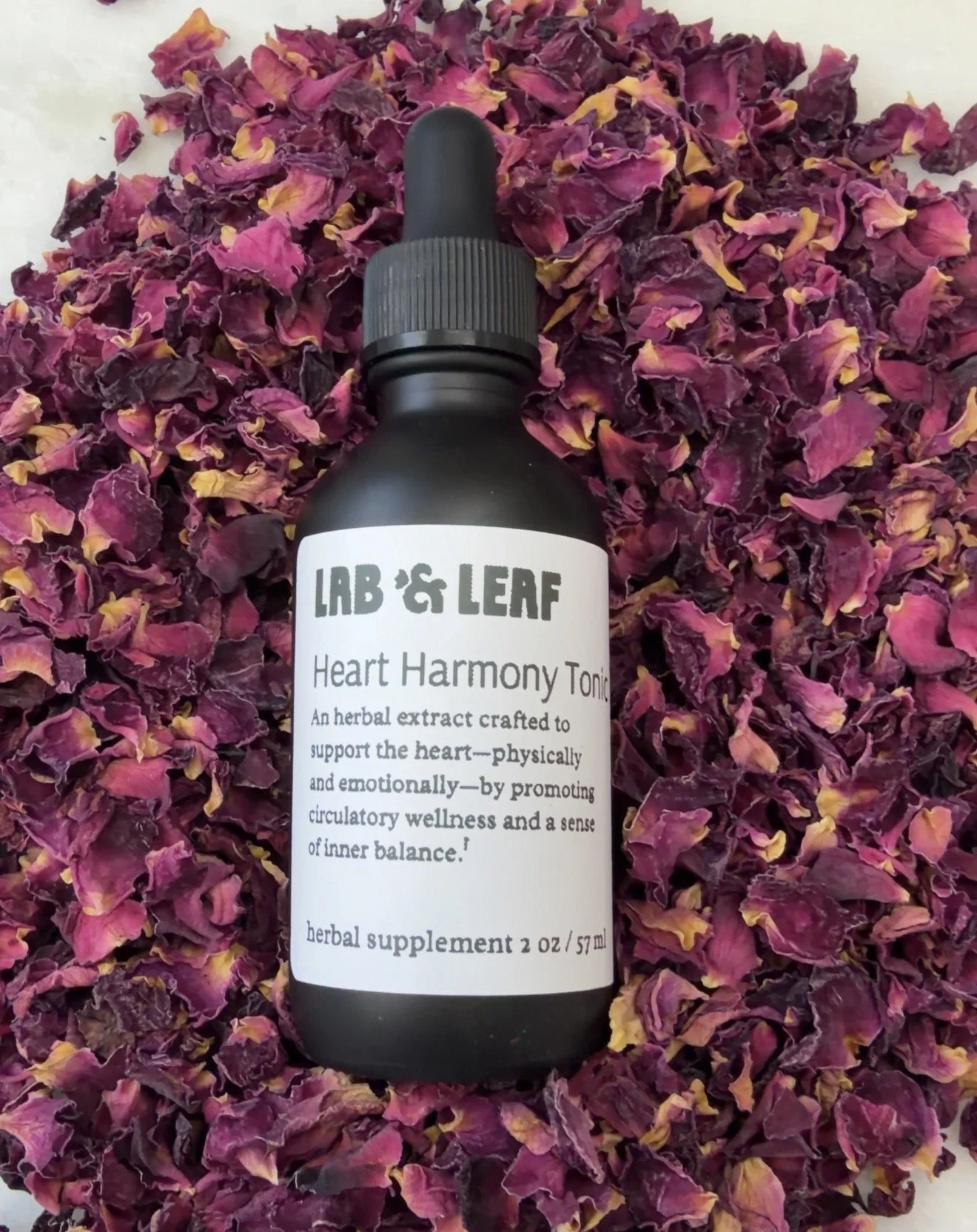
Rose (Rosa canina) is the eternal symbol of love, and fittingly, it has profound effects on both the physical heart and emotional wellbeing. Rose petals are an uplifting addition to teas and tonics, helping to reduce stress, soften emotions, and gently heal heartache. They possess anti-inflammatory, antibacterial, and mild antidepressant properties and are commonly used dried or as tinctures.
Rose hips—the fruit of the rose plant—are rich in vitamin C and bioflavonoids and help strengthen capillaries. They are mildly astringent and can also be useful during acute illnesses like colds. Rose’s unique ability to support emotional and physical heart health makes it a beautiful ally, especially during times of vulnerability.
Ginkgo
Ginkgo (Ginkgo biloba) is rich in flavonoids and is most commonly known for its ability to support memory and cognitive function. It earns special mention for its capacity to improve blood flow to the brain while providing antioxidant protection that helps safeguard brain cells from damage.
Ginkgo also improves peripheral circulation and may be useful in cases of tinnitus, vertigo, and dizziness, particularly when taken consistently for two to three months. By enhancing circulation and protecting vascular integrity, ginkgo supports both the nervous and cardiovascular systems and is often used as a longevity herb to help slow aspects of the aging process.
For therapeutic purposes, standardized extracts are typically recommended, as the majority of clinical research focuses on this form, particularly for its flavonoid content.
A Valentine’s Day Note
February is a time we often focus on romantic love, but it’s also a reminder to care for our own hearts—physically, emotionally, and energetically. Whether that means nourishing your cardiovascular system, tending to old heartaches, or simply slowing down and offering yourself kindness, herbal allies can support you in that process. This Valentine’s Day, remember: caring for your heart isn’t selfish—it’s essential.
Disclaimer:
I am a clinical herbalist and a lifelong advocate for plant medicine. Herbs are powerful allies and are considered medicines due to their significant effects on the body.
Always consult your physician before adding new herbs to your routine, especially if you are taking medications. While many plants are classified as safe, responsible and informed use is essential for long-term health.